
Learning how to start a family entertainment center begins with turning a guest experience concept into a tested business and facility plan. That means defining who you want to serve, checking whether a site can support the experience, choosing attractions that work together, and planning staffing, safety, maintenance, and launch operations before you commit to construction or equipment.
Plan your FEC with design and consultation support
An FEC is not simply a collection of rides or games. It is a venue where the layout, mix of activities, guest services, and day-to-day operating plan combine to serve a defined audience. The strongest starting point is a sequence of decisions that tests the idea before major commitments are made. Use this guide as a working roadmap, then adapt it to your local market, site, regulations, and operating goals.
How to Start a Family Entertainment Center: What Should You Decide First?
Begin with the purpose and scale of the center, not a list of equipment. Write down the experience you want guests to have and the business assumptions that need to be checked. This gives designers, contractors, lenders, and attraction suppliers a shared brief to work from.
- Who is the core guest? Define the audiences you want to attract, such as families with young children, teens, groups, or corporate events. Be specific about who is primary and who is secondary.
- What occasions will bring them in? Consider walk-in visits, birthday parties, group outings, league play, school events, or repeat visits. Each affects space, staffing, booking, and service needs.
- What experience will make the venue distinct? Decide whether your concept is built around active play, competitive attractions, social events, or a combination. Avoid selecting attractions only because they are popular elsewhere.
- What are the limits of the project? Record the geographic area, site criteria, opening target, decision makers, and operational capabilities. Identify assumptions that still need research.
Translate the concept into a short project brief. Include the intended audience, proposed attractions, guest journey, indoor and outdoor requirements, event goals, and unknowns. If you are still comparing venue concepts, review the range of FEC attractions and equipment as a way to organize possibilities rather than treating a catalog as a final plan.
How to Start a Family Entertainment Center: How Do You Validate Demand?
Research the market around the likely trade area. Map existing entertainment options, their audiences, operating hours, event offerings, and apparent strengths. Look for unmet needs, but do not assume that the absence of a competitor proves demand. Speak with potential guests, local organizations, and event planners. Ask what they currently do for recreation, what makes an outing worthwhile, and what would keep them coming back.
Separate observations from assumptions. For example, “families need another rainy-day activity” is a hypothesis until you test it. Gather feedback from a range of likely customers, not only friends or people who already support the idea. Check local development and demographic information through appropriate public sources, and get professional help interpreting the results when needed.
Compare possible concepts against practical criteria:
- Does the concept answer a clear local customer need?
- Can the proposed activities serve the desired age groups and visit occasions?
- Will the experience work on weekdays as well as peak periods?
- Can the venue support parties and groups without disrupting general admission guests?
- Does the team have the operating knowledge and capacity the concept requires?
Industry resources can help you understand the family entertainment center field and identify questions to explore. The IAAPA family entertainment center constituency describes resources for FECs. Treat industry guidance as one input; local market research and project-specific review still matter.
How Do You Evaluate a Site Before Committing?
A promising site has to work for guests and for the operation behind the scenes. Start with a site-screening checklist before you sign a lease, purchase property, or finalize a building plan. Have qualified local professionals verify zoning, permitted uses, building condition, accessibility, fire and life-safety requirements, utilities, and any approvals that apply to your project. Requirements vary by jurisdiction and site type.
Assess guest access and visibility as well as the building itself. Consider how guests arrive, where they park, how groups enter, and how deliveries and service access can happen without crossing busy guest paths. Inside, look at clear heights, columns, floor conditions, power capacity, restrooms, storage, food service possibilities, and the locations of exits and support spaces. An attraction may fit on paper but still create poor circulation or operational bottlenecks.
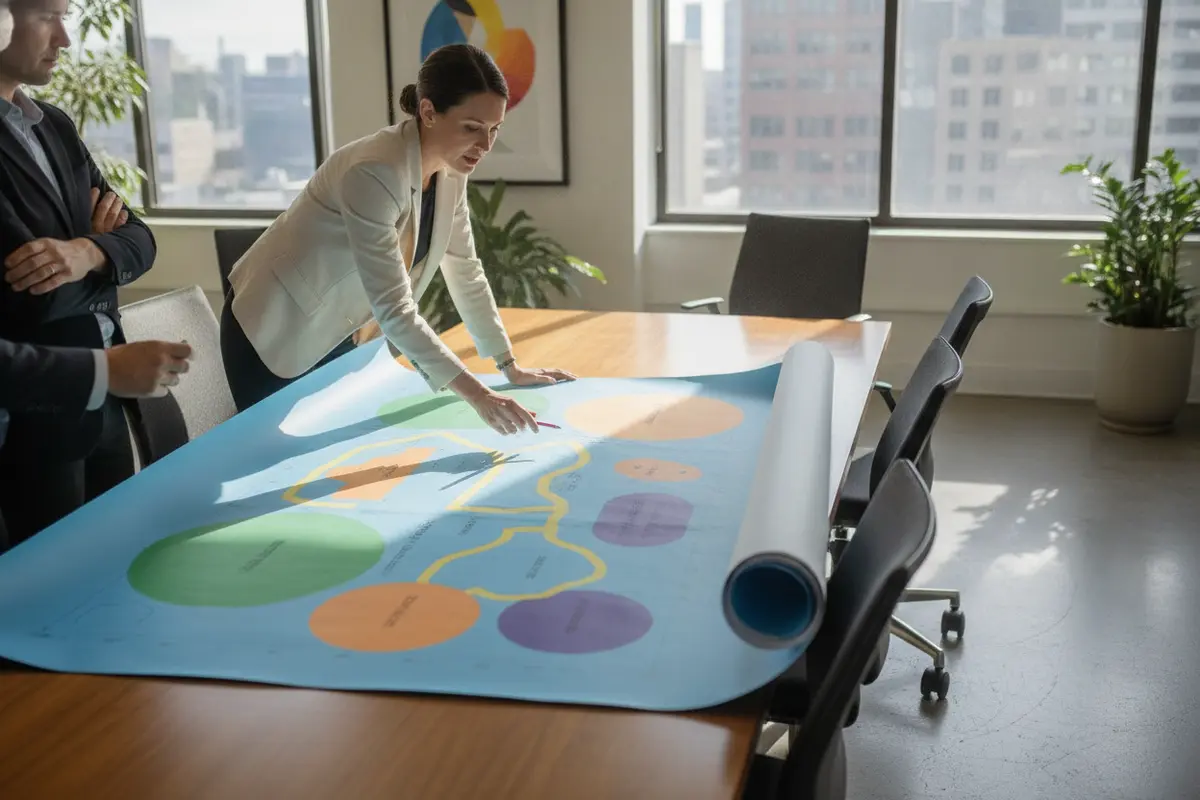
Ask the design and construction team to identify constraints early. A floor plan should show more than attraction footprints: include queuing, accessible routes, sightlines, party areas, staff positions, storage, maintenance access, and emergency egress. For a facility project, experienced FEC construction planning can help connect the concept to the realities of a build. Do not treat a preliminary layout as confirmation that a site meets code or is ready for construction.
How Should You Choose Attractions for the Guest Experience?
Choose attractions as parts of a complete visit. A good mix should fit the intended audience, available space, desired visit length, staffing model, and the type of repeat experience you want to create. Consider how guests move from arrival through play, breaks, events, and departure. Include areas where people can watch, wait, meet, or take a break, not just activity footprints.
Use a comparison framework before narrowing the list. The details will depend on the attraction and the project, but the questions below make tradeoffs visible:
| Planning dimension | Questions to ask | What to document |
|---|---|---|
| Audience fit | Which age groups and visit occasions does it serve? | Primary users, guest capacity assumptions, and complementary activities |
| Space and flow | What footprint, queue, clearances, and support areas are needed? | Layout, access routes, sightlines, and adjacency requirements |
| Operations | What supervision, training, and service routines will it require? | Staff roles, opening checks, operating procedures, and coverage plan |
| Upkeep | How will inspection, cleaning, repair, and parts support be handled? | Maintenance responsibilities, records, and escalation contacts |
| Portfolio role | Does it add a new reason to visit or repeat, or duplicate another activity? | Guest journey role, event use, and cross-attraction connections |
For example, a miniature golf course may create a shared, social activity, while electric go-karts can support a more competitive experience. A batting-cage concept may appeal to guests looking for practice and skill play. The right fit depends on the site and audience; compare specific operating and facility requirements with qualified suppliers. Explore miniature golf course possibilities, commercial electric go-karts, and commercial pitching machines as distinct options, not interchangeable solutions.
Ask each attraction supplier for current technical specifications, installation requirements, operator training, inspection guidance, service processes, warranty terms, and documentation. Confirm how the equipment will integrate with the building systems and your operating procedures. If different attractions come from multiple suppliers, assign someone to coordinate interface questions and track open decisions.
How Do You Build a Practical FEC Business and Project Plan?
Your plan should connect the guest concept to the facility and the business that will operate it. Include a market summary, proposed experience, site assumptions, development and approval path, operating model, staffing plan, marketing approach, and financial projections prepared for your project. Avoid relying on a single attendance assumption. Model different demand scenarios and identify which decisions change under each one.
Develop a full project budget with qualified advisors and suppliers. Account for more than attractions: site acquisition or lease obligations, design and professional services, construction, utilities, permits, installation, technology, furnishings, launch preparation, insurance, and working capital may all need consideration. Product costs and project needs depend on specifications and site conditions, so obtain project-specific information rather than borrowing numbers from a different venue.
Build a cash-flow plan that includes the time before opening and the period when attendance is developing. Identify the assumptions behind revenue, capacity, utilization, group bookings, labor, maintenance, and seasonal variation. Decide who will update those assumptions when quotes, site details, or operating plans change. If you expect to seek financing, organize the plan, project scope, schedule, and supporting documents early. Review FEC equipment financing considerations and discuss financing options with qualified providers; availability and terms depend on the project and applicant.
Use a decision log to record what has been approved, who owns the next step, and what evidence supports the choice. This prevents an early sketch, supplier conversation, or rough estimate from quietly becoming a fixed project assumption.
What Operating Systems Should Be Ready Before Opening?
Design operations alongside the attraction mix, not after installation. Write down how a typical day will work, from opening inspections to closing duties. Make responsibilities clear for guest service, attraction supervision, reservations, cleaning, incident response, equipment checks, maintenance, and manager escalation. The correct procedures depend on the attractions, manufacturer instructions, applicable rules, and local requirements.
Plan staffing against actual operating periods and guest flow. Identify which roles must be present at opening, how breaks and peak periods will be covered, how new employees will learn their duties, and who is authorized to pause an attraction or escalate a concern. Training should include both the written procedure and a method to confirm that staff can perform the assigned task.
Set up systems for bookings, admissions, group events, communications, and daily reporting. Decide what information managers need to review regularly, such as attendance patterns, reservations, staffing coverage, downtime, guest feedback, and maintenance items. The aim is not to collect data for its own sake; it is to spot operating issues and make timely decisions.
Prepare maintenance routines before equipment arrives. Confirm manufacturer instructions, inspection frequencies, records, spare-parts processes, and who to contact when something needs attention. Amusement Products provides maintenance training and offers FEC education resources for operators. Training is one part of readiness; make sure each attraction also has a documented, site-specific operating and maintenance plan.
How Should You Plan the Guest Journey?
Walk through the visit from the guest’s point of view and test the sequence on the floor plan. Consider the arrival and entry point, how guests learn what is available, how they reach an activity, where they wait, where they take breaks, and how they find the exit. Think about guests arriving in different ways: a family walking in, a party host arriving early, a group checking in together, or a caregiver accompanying someone who needs an accessible route.
Plan for transitions as carefully as for attractions. A crowded entrance can create confusion before a visit begins. A queue that blocks a doorway can disrupt other activities. A party room that requires guests to cross a busy attraction area may complicate supervision. Mark these likely pinch points on the layout, then review them with people responsible for guest service, facilities, and operations.
Make guest information consistent across the website, booking process, arrival signage, and staff instructions. Confirm how guests will understand age or participation guidance, reservation details, attraction availability, and where to ask for help. Use plain directions and train staff to answer common questions consistently. These choices reduce avoidable uncertainty without requiring every guest to follow an identical route.
Also consider how the layout works for employees. Staff need clear sightlines where supervision is required, access to supplies, safe routes between work areas, and a way to call for assistance. Test staffing positions during a walkthrough instead of assuming a plan is workable from a drawing alone. Adjust the plan when a staff task or guest movement conflicts with another activity.
How Do You Sequence Development and Opening?
Work through defined project gates so an unresolved question does not become an expensive surprise later. A typical sequence may look like this:
- Concept and market check: Define the intended guest, visit occasions, attraction themes, and local demand questions. Revise the concept when evidence challenges an assumption.
- Site screening: Review access, building conditions, utilities, permitted use, and potential constraints with qualified local professionals. Keep backup sites in consideration if possible.
- Feasibility and project scope: Develop a layout, operating concept, schedule, project budget, and financial assumptions. Document what remains unverified.
- Design and approvals: Coordinate attraction plans with architecture, engineering, building requirements, utilities, and the relevant approval authorities.
- Procurement and construction: Confirm specifications, responsibilities, installation sequencing, site readiness, and communication among suppliers and contractors.
- Hiring and training: Recruit against the operating plan, train staff, rehearse core routines, and confirm escalation responsibilities.
- Testing and launch: Complete required inspections and commissioning, test reservations and guest flows, resolve open issues, and use a controlled opening plan before expanding operations.
Keep a master schedule with owners, dependencies, and decision dates. For example, installation timing may depend on a completed floor, available power, or approved access. Track those dependencies rather than treating delivery dates as independent promises. A launch checklist should cover the guest-facing experience and back-of-house readiness, including staff schedules, signage, service procedures, cleaning, emergency plans, and communication channels.
How Can You Improve the FEC After Opening?
Opening is the beginning of operating feedback, not the end of planning. Set a regular review cadence and ask staff to report recurring friction points. Watch where queues form, where guests hesitate, which areas are underused, and what questions employees hear repeatedly. Compare these observations with attendance, booking, downtime, and guest feedback records.
Make improvements in a controlled way. Identify the issue, decide what evidence would show whether a change helped, assign an owner, and review the result after an agreed period. Small operational adjustments can reveal whether a larger change is needed. If the business plans to add attractions or capacity later, preserve the site and utility information and record lessons from the first development phase.
Operators also benefit from connecting with peers and ongoing industry education. IAAPA’s FEC resources can be a starting point for exploring the broader sector. Use such resources alongside the guidance of local authorities, professional advisors, and the manufacturers of your equipment.
Discuss your FEC concept and project plan
Frequently Asked Questions
How long does it take to start a family entertainment center?
There is no single timeline. The schedule depends on site selection, due diligence, design, approvals, construction or renovation, equipment lead times, hiring, and commissioning. Map dependencies with your project team and update the schedule as decisions and site conditions become clearer.
Do I need to own a building to open an FEC?
Not necessarily. An FEC may operate in a leased or owned facility, but either path requires careful review of permitted use, lease or ownership obligations, building condition, improvements, utilities, and the length of control needed for the project. Have qualified legal and technical professionals review the specific site and agreement.
Which attractions should a new family entertainment center include?
There is no universal attraction mix. Choose activities based on your target guests, local demand, available space, operating capacity, and the experience you want to offer. Compare technical and staffing requirements and make sure the attractions support a coherent visit rather than competing for the same space and attention.
What should be included in an FEC launch plan?
Include market and site validation, concept and layout, approvals, project scope, operating and staffing procedures, training, maintenance plans, booking and guest-service systems, testing, and a controlled opening. Assign an owner and due date to each readiness item.
When should I ask for design and consultation support?
Bring in relevant design and consultation support while you are evaluating the concept and site, not only after the layout is fixed. Early discussion can help surface space, attraction, flow, and coordination questions that affect later decisions. Keep local code, legal, financial, and engineering reviews with the appropriately qualified professionals.
Request FEC design and consultation support
Starting an FEC is a series of connected decisions, from understanding local guests to preparing a safe, maintainable operation. A clear brief, realistic site review, coordinated attraction plan, and staged readiness checks give your team a stronger foundation for opening and improving the venue.