
Batting cage pitching machine speed settings should match the batter’s readiness, the machine’s capabilities, and the purpose of the session. There is no single speed that works for every player or attraction. Start with a controlled, repeatable pitch, confirm the ball is reaching the intended area, and increase the challenge only when the batter can respond safely and consistently.
Discuss your batting cage attraction plans
What Do Batting Cage Pitching Machine Speed Settings Control?
A speed setting controls how quickly a ball leaves or travels through the machine’s delivery system. The number shown on a control panel may not describe the batter’s full experience. The effective challenge also depends on the machine design, ball type and condition, delivery distance, pitch trajectory, and the batter’s ability.
For an operator, the goal is not to choose the highest available setting. The goal is to offer a predictable pitch that fits the intended session. A beginner needs time to see and track the ball. A more experienced batter may want a faster or more demanding pitch, but that setting still needs to be delivered consistently and within the machine’s operating instructions.
Use the manufacturer’s manual and controls as the authority for the machine itself. If the equipment has a speed display, treat it as a starting reference, not a universal comparison between different machines. Verify the actual delivery in the lane before opening it to guests.
A setting is best understood as one input in a larger operating setup. It does not, by itself, guarantee a particular pitch location or level of difficulty. For example, if the ball is arriving too high or too far to one side, increasing or decreasing speed may not address the cause. First confirm that the machine is assembled, positioned, and adjusted as its manufacturer directs. Then assess whether the pitch is consistent enough to judge the setting.
This distinction matters when a venue offers a choice of session levels. A guest-facing label can describe relative challenge, but the operator still needs to know what machine configuration and approved control range sit behind that label. Keep the public explanation simple and the operating documentation specific.
How Should You Choose a Starting Speed?
Set the first pitch for control and contact, not for maximum difficulty. The right opening setting depends on who is using the cage, the session format, and how the machine delivers the ball. A simple operating sequence keeps the decision grounded in observation rather than guesswork.
- Identify the user group. Consider the expected age range, experience, and whether the lane is intended for casual recreation, instruction, or more advanced practice. Do not assume that every guest has the same ability.
- Choose a conservative starting point. Begin with a setting that gives the batter a reasonable opportunity to track the ball and prepare. Follow the machine manual’s approved setup and operating procedures.
- Test the delivery. With the lane secured and the equipment operated as directed, observe several pitches. Check that the ball travels consistently toward the intended hitting area and that the machine is not producing an unexpected trajectory.
- Ask the user to assess the challenge. After a brief trial, find out whether the pitch is manageable. Look for whether the batter can see the ball, get set, and make a controlled swing without rushing.
- Adjust in small steps. Change one control at a time. Recheck the pitch after each adjustment so you can identify what changed and avoid jumping to a setting that is too demanding.
- Record the approved setup. Note the machine, ball type, control position or displayed setting, and the result of the check. A repeatable record helps staff start a session consistently.
This approach works better than assigning a number based only on age or on a guest’s request. Age can inform the initial conversation, but it does not tell you how a particular batter will respond. Use observed readiness and the facility’s operating rules to guide adjustments.
For example, imagine a family group where one guest has used a cage before and another is trying it for the first time. Set up the lane according to the manual, then let the new batter begin with a comfortable, easy-to-track delivery. Observe a short sequence before making any change. If that batter is consistently tracking the ball and making controlled swings, ask whether a modest increase would improve the session. If timing breaks down or the batter becomes uncomfortable, return to the previous manageable option. The same sequence applies when moving between groups: do not assume that the last user’s setting is right for the next one.
Operators can make the process clearer by defining who may change the setting, when a change requires another test, and how to pause the session. A small adjustment should be followed by a fresh observation, not by a chain of additional changes. This gives staff a chance to connect the result to the single adjustment and creates a reliable record for the next shift.
Which Factors Affect the Right Setting?
Speed is only one part of a pitch. Before changing it, check the conditions that may make the same setting feel different from one session to another.
Batter experience and readiness
A first-time batter may need a slower, more predictable delivery and more time to get comfortable. A confident player may be ready for a different challenge. Watch for the ability to track the ball and maintain a controlled position. Repeatedly swinging late, turning away, or losing balance can be signs that the pitch is not an appropriate challenge at that moment. Pause and reassess instead of urging the player to keep up.
Readiness can also change during a session. A batter may start comfortably and then become tired, distracted, or less confident. Staff should treat that as useful information, not as a reason to insist on the starting level. Offer a pause or a return to an easier option, and follow the venue’s process if the guest wants to stop.
Machine type and manufacturer instructions
Pitching machines differ in their controls and delivery methods. A setting on one unit may not translate directly to the same experience on another. Follow the machine-specific manual for setup, approved balls, adjustment steps, and operating limits. If you are comparing equipment for a venue, review the commercial pitching machine options and discuss the needs of the intended attraction with a qualified equipment representative.
Keep each unit’s documentation near the equipment or in the facility’s operating system, where staff can find it before making adjustments. When a unit is replaced or moved, re-check the written starting procedure instead of assuming the previous instructions apply. The same practice is useful when multiple lanes use different models: identify the machine before referring to a control position or setting.
Ball type and condition
Use the ball type specified for the equipment. Worn, damaged, wet, or otherwise unsuitable balls can affect reliable operation and should be removed from use. Keep the balls used for a session consistent where the machine instructions call for a specific type. Do not compensate for a change in ball condition by making an unplanned control adjustment.
A simple ball-handling routine helps staff keep variables under control. Separate balls that need inspection from the approved session supply, and make sure replacement balls meet the manual’s requirements. If a ball’s condition is questionable, remove it rather than testing whether a different speed setting will make it usable.
Delivery distance and lane setup
The batter’s experience depends partly on the path from the machine to the hitting area. Keep the lane and machine arrangement consistent with the equipment instructions. After a change to the setup, test the delivery again. Never treat an adjustment to speed as a substitute for proper placement, a clear lane, or secure protective netting.
Document the machine position and any other setup details that staff need to reproduce the test. A moved machine, changed lane arrangement, or replaced component can change the conditions under which the previous check was made. Re-establish the approved setup before returning the lane to service, rather than relying on a remembered control position.
Session purpose and guest expectations
A casual entertainment session and a coached practice may call for different ways to select a setting. Decide what the lane is meant to provide, then communicate the available options clearly. For youth sessions, operators should also check rules from the relevant league and governing body, such as USA Baseball, rather than treating an attraction setting as a substitute for sport-specific guidance.
Set expectations before the first pitch. Explain how a guest can request a lower challenge or stop the session, and tell them that staff will make changes only within the machine’s approved operating range. If a facility hosts a team or organized activity, confirm whether the group has sport-specific practice requirements that differ from the attraction’s usual recreational format.
How Can Operators Compare Setting Options?
Use a practical operating matrix rather than promising a particular speed to every visitor. The descriptions below are decision categories, not numeric recommendations. The machine manual and a hands-on delivery check determine the actual control setting.
| Session category | Starting approach | What staff should observe | When to adjust |
|---|---|---|---|
| New or cautious batter | Begin with an easy-to-track, controlled delivery within the machine’s approved range. | The batter can watch the pitch, prepare, and swing without feeling rushed. | Keep or reduce the challenge if timing or comfort is poor. Increase only after a successful check and with the batter’s agreement. |
| Recreational, developing batter | Use a moderate challenge selected through a brief trial, rather than relying on age alone. | The pitch remains predictable and the batter can make a balanced attempt. | Change gradually if the pitch is consistently too easy or too difficult. |
| Experienced batter | Choose a more demanding approved setting only after confirming readiness and lane conditions. | The batter tracks the ball, maintains control, and understands the session expectations. | Return to a more manageable setting if delivery consistency or safe participation changes. |
| Uncertain or inconsistent delivery | Stop guest use and follow the manual’s inspection and troubleshooting steps. | Staff can identify a stable, intended delivery during the test. | Do not increase speed or resume service until the issue is resolved and the lane passes its check. |
Keep the language on any setting selector simple. If your facility offers levels, describe them as relative options, such as introductory, intermediate, and advanced, and explain that staff may adjust an option to suit the session. Avoid publishing a speed chart unless it has been verified for the particular machine, ball, and setup in use.
Consider documenting both the setting label and its practical meaning for staff. For instance, an “introductory” option can refer to a verified starting procedure and the conditions that must be checked, rather than an assumed speed that should work across every lane. Make the next step clear: staff can observe a short delivery, confirm the lane is behaving as expected, and then keep or adjust the option. This approach helps guests understand choices without implying that a label predicts identical results for every batter.
What Should a Pre-Session Speed Check Include?
A short check reduces the chance that staff will rely on an old control position after equipment or lane conditions have changed. Put the sequence in the operating procedure and train staff to follow it consistently.
- Inspect the lane. Confirm that the hitting area is clear, protective barriers are in position, and guests are in the correct area before the equipment is used.
- Inspect the machine and balls. Look for visible damage or a condition that requires the equipment to be taken out of service. Use only the components and ball type allowed by the machine instructions.
- Confirm the control setting. Check the selected setting against the facility’s approved starting procedure and the machine’s limits.
- Test delivery before guest use. Operate the machine according to its manual and confirm that pitches are repeatable and travel toward the intended hitting zone.
- Explain the session. Tell the batter how to enter, where to stand, how to request a change, and how to stop or alert staff if something feels wrong.
- Monitor and document. Watch the first pitches and respond to concerns. Record faults, unusual deliveries, and corrective actions according to the facility’s process.
Staff should not try to diagnose a mechanical problem by repeatedly changing speed settings. If the delivery is erratic or the machine behaves differently than expected, stop use and follow the manufacturer’s instructions for inspection, service, and return to operation.
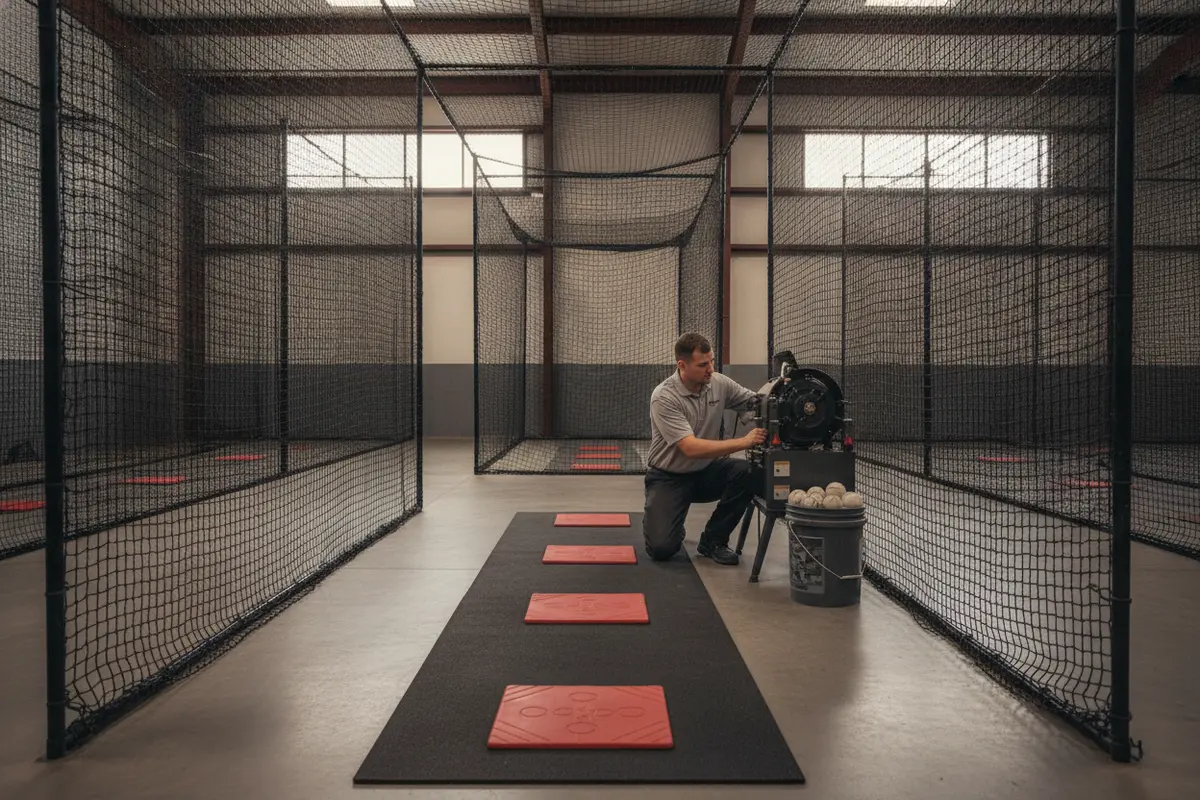
Make the check practical to complete during a shift change. A useful handoff names the lane, notes whether the machine passed its test, records any change made, and identifies who should be notified about an unresolved issue. Keep the note factual: what staff observed, what action they took, and whether the lane remains open or is out of service. A consistent record helps the next operator avoid repeating an ineffective adjustment or missing an earlier warning.
How Can You Make Settings Easy for Staff to Use?
Consistency matters when several employees operate the same attraction. A short written guide helps prevent each shift from creating its own interpretation of the controls.
Build a settings card for each machine
Include the machine model, approved ball type, documented starting procedure, test routine, and who to contact when a delivery fails the check. If the controls use numeric values, record only values that have been confirmed for that specific unit and setup. Do not copy a setting from another machine just because the display looks similar.
Give the card a review point for changes to equipment, lane layout, or manufacturer instructions. Staff should know how to find the current version and which person is responsible for updating it. If there are several machines, mark the documentation so it cannot be confused between units. A clearly identified procedure is more useful than a general note that says only to “start low.”
Separate guest choice from operating limits
Guests can select among the options your facility offers, but those options should stay within the manufacturer’s instructions and the venue’s operating policy. Staff should have clear authority to lower the challenge, pause a session, or close a lane when delivery or participation raises a concern.
Train staff to explain adjustments
A helpful explanation is straightforward: staff can start with a manageable option, observe a few pitches, and make a small adjustment if the batter is ready. This sets expectations without guaranteeing that a particular setting will suit every person. It also makes the operator—not the guest—responsible for applying the facility’s operating rules.
Practice the explanation during onboarding. Staff can describe the available levels, show how to request a change, and explain that they may pause a session if the delivery needs a check. Role-play a few common situations: a first-time batter who wants to begin slowly, an experienced player asking for a greater challenge, and a guest who reports that the pitch feels wrong. Clear responses help the team stay calm and follow the same process.
Amusement Products offers maintenance training and broader education resources for entertainment operators. The right training plan should reflect the actual equipment and procedures at your venue.
How Do Speed Settings Fit Into Attraction Planning?
For a new or renovated facility, think about pitching machine settings alongside lane layout, guest flow, staffing, and the experience you want the attraction to provide. Speed controls alone do not determine whether a batting cage fits your audience or operating model.
Start by defining the likely users and session types. Then consider how guests will choose a lane, how staff will explain options, and how the equipment will be checked between sessions. Review the pitching machine as part of the full FEC equipment catalog, and look at the attraction product gallery for examples of the broader equipment mix.
When comparing equipment, ask practical questions: What controls does the operator use? What ball types are approved? What checks must be completed before use? What service access and staff training are needed? Which site conditions affect placement? Answers should come from the machine documentation and the venue plan, not from a generic speed number.
Include these questions in the project brief, then compare answers across the machines or configurations under consideration. A useful comparison records the operating requirements, staff tasks, lane needs, and how the guest will select an experience. This is different from comparing a headline speed alone: operators need to know whether the setting process fits their planned staffing and operating routine. Include enough detail for the project team to identify open questions before equipment selection is finalized.
Amusement Products has experience manufacturing pitching machines and planning entertainment attractions. Its baseball and softball pitching machine portfolio and company background can help a prospective operator learn more before discussing project requirements.
Discuss your batting cage layout and equipment needs
Frequently Asked Questions
What is the best speed setting for a batting cage?
There is no universal best setting. Start with a controlled delivery suited to the intended user and machine, test it in the lane, and adjust gradually based on the batter’s readiness and the consistency of the pitch. Always stay within the machine’s instructions and venue policy.
Should a batting cage use one speed for every player?
Not necessarily. A single setting may not suit guests with different experience levels. If the facility offers multiple options, staff should explain them clearly, confirm the delivery, and adjust only within approved operating limits. A guest’s age or request alone should not determine the setting.
Why can the same setting feel different from one session to another?
Machine type, ball condition, delivery distance, setup, and the batter’s experience can all affect how a pitch feels. Check these conditions before changing the control. If pitches are inconsistent or the equipment behaves unexpectedly, stop use and follow the machine’s inspection and service instructions.
Can I use a speed chart from another pitching machine?
Do not assume settings translate between machines. Controls and delivery systems vary. Use the documentation for the specific unit and verify the delivery in the lane. Only use a numeric chart if it has been confirmed for that machine, approved ball, and setup.
How often should staff check the pitching machine setting?
Follow the manufacturer’s maintenance and operating instructions, and check the setup before sessions and whenever conditions change. Staff should also monitor delivery during use, document problems, and take equipment out of service when it does not pass the facility’s check.
Request a consultation for your FEC project
Thoughtful batting cage pitching machine speed settings begin with the right equipment instructions, a consistent test, and attention to the people using the lane. Build those steps into staff training so the attraction stays clear, predictable, and appropriate for each session.